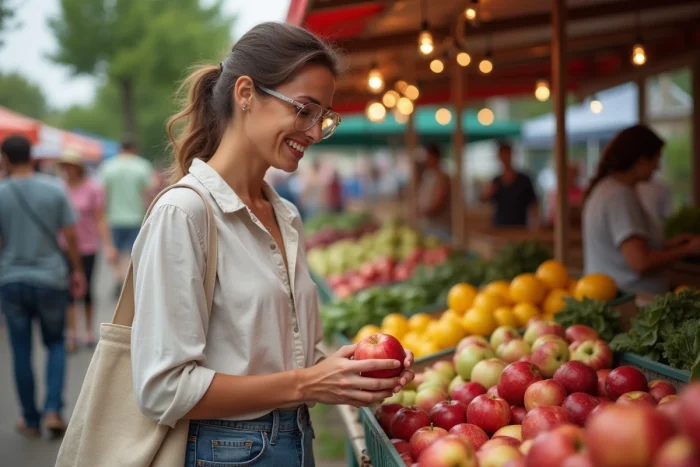
The numbers are stubborn: less than 10% of French food sales involve organic products, while Anses highlights a persistent exposure to pesticides in our conventional diet. Meanwhile, Insee points out the massive impact of transportation on the carbon footprint of our plates, far greater than most suspect.
Local production remains a minority in markets, even though its effects on public health and biodiversity are now documented. As a result, short supply chains are elbowing their way against the logistical machine of large retailers.
Why prioritizing organic and local really changes the game for your health and the planet
Choosing organic and local products means opposing the food standardization dictated by conventional agriculture. Products from organic farming show much lower levels of pesticide residues and chemical substances, a key factor in limiting the onset of certain chronic diseases. Reducing exposure to toxins is acting at the root to protect collective health. Local adds a decisive dimension. Fruits and vegetables picked at maturity, just a few kilometers from home, retain intact vitamins, minerals, and antioxidants. This freshness, often absent from products from globalized circuits, enhances the nutritional quality of daily meals and respects seasonality.
Adopting this mode of consumption also means taking concrete actions:
- Reduction of carbon footprint: fewer kilometers traveled, less CO₂ emitted.
- Soil preservation and responsible water management, thanks to sustainable agricultural practices.
- Support for agriculture that protects biodiversity and strengthens the rural fabric.
As traceability and transparency increasingly guide the decisions of informed consumers, opting for local organic products allows for a healthier diet and supports agricultural practices that respect the environment. To go further in this approach and discover Le Bio du Coin, there are initiatives that place taste, quality, and responsibility at the center of meals.
What are the concrete impacts on the environment and daily quality of life?
Choosing organic and local products is not just about filling your basket: it directly affects climate, health, and the environment. Adopting a healthy and sustainable diet instantly reduces the carbon footprint generated by production and transportation. Seasonal fruits and vegetables, grown without pesticides or chemical fertilizers, consume less energy and help preserve the quality of soils and water resources. In France, organic farming, by limiting polluting inputs, helps restore agricultural land.
Eating local seasonal products also means rejecting the blandness imposed by intensive agriculture and supporting food diversity. A vegetable harvested at maturity concentrates more vitamins, minerals, and antioxidants, essential for a balanced diet. This freshness, absent from out-of-season imported foods, is felt every day in vitality and energy.
Here’s what this concretely implies:
- Reduction of greenhouse gas emissions thanks to short supply chains.
- Protection of biodiversity through the reintroduction of old varieties, suited to each terroir.
- Strengthening social ties: buying from producers creates trust and transparency in the food chain.

Supporting local producers: a simple gesture that makes all the difference
In the face of the standardization of our plates, local consumption offers a discreet yet powerful alternative. Prioritizing local producers means reconnecting with humanity: a seasonal basket is often the result of know-how, a story, a land to defend. Across France, organic markets, AMAP, and local shops advocate for human-scale agriculture, attentive to quality.
Short supply chains reduce intermediaries, ensuring a fair price for those who cultivate the land. Local delivery is growing, driven by the desire to bring producers and consumers closer together, encouraging transparency. This choice, far from being trivial, energizes territories, supports agricultural employment, and values professions threatened by industrial standardization.
The benefits are numerous:
- Local organic products: freshness, traceability, respect for seasons.
- Organic food: fewer pesticides, rediscovered flavors, health benefits.
- For organic producers: recognition, security, pride in a job well done.
Adopting products from sustainable agriculture infuses, with every meal, a bit more respect for life and equity. Every purchase helps shape a diverse agricultural landscape, empowering a local economy that refuses to erase flavors and diversity. The choice is there, tangible: with every basket, a piece of the future is drawn.